Product Overview
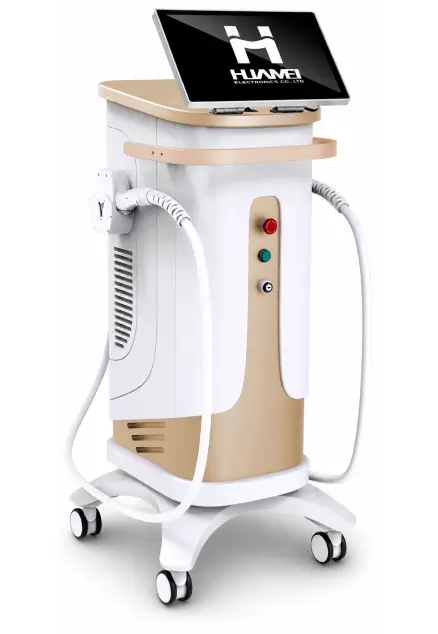
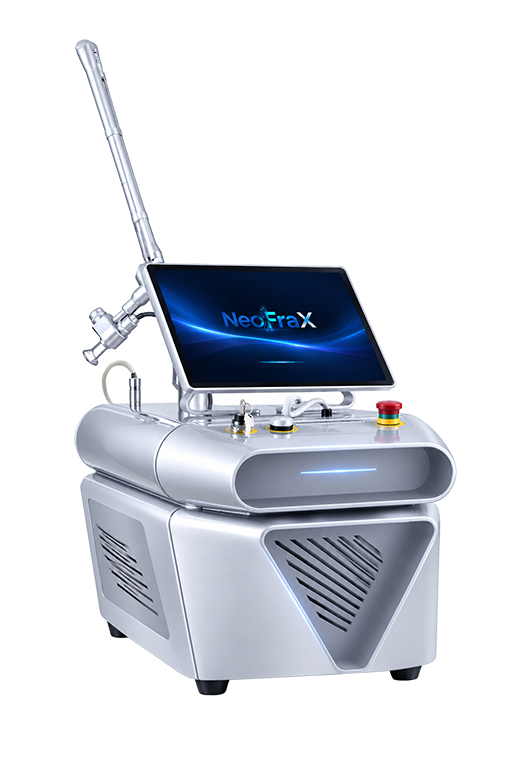
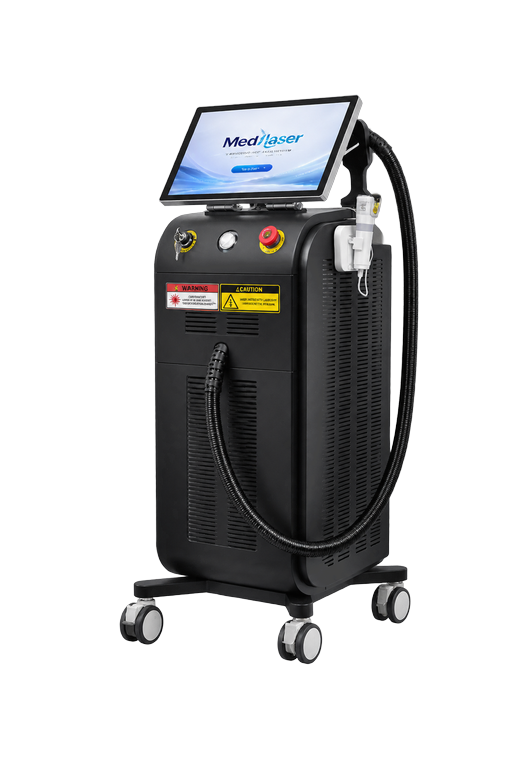
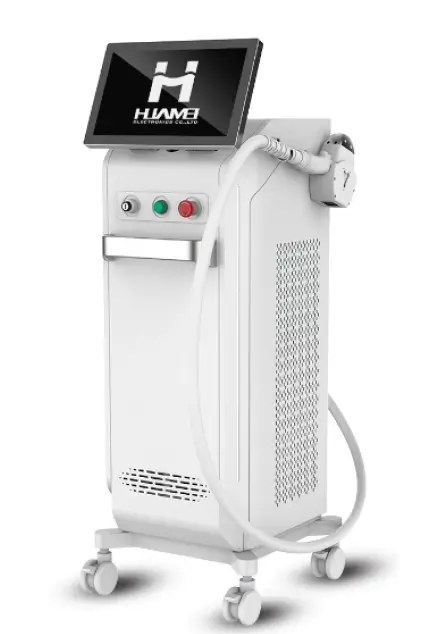
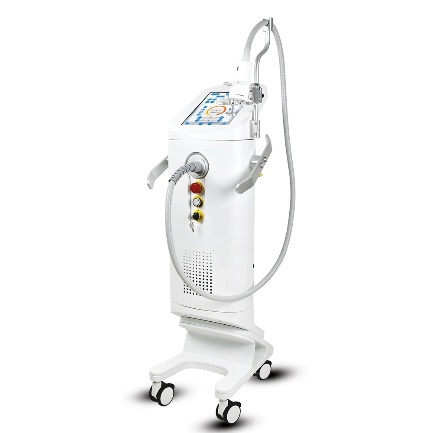
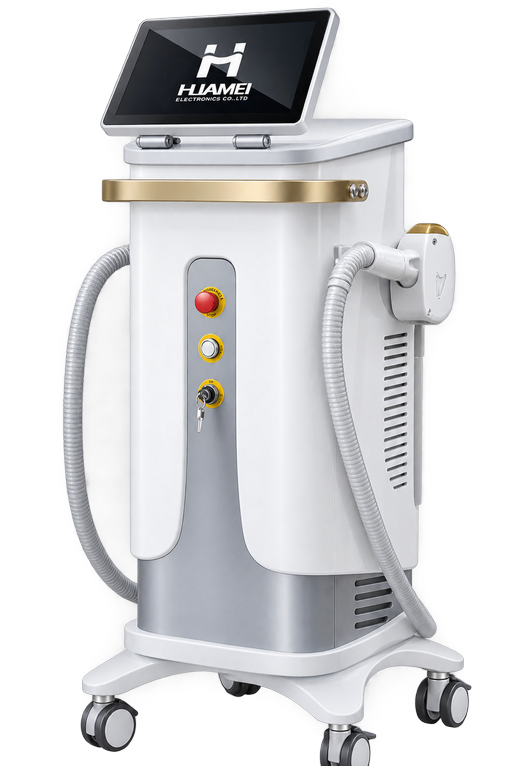
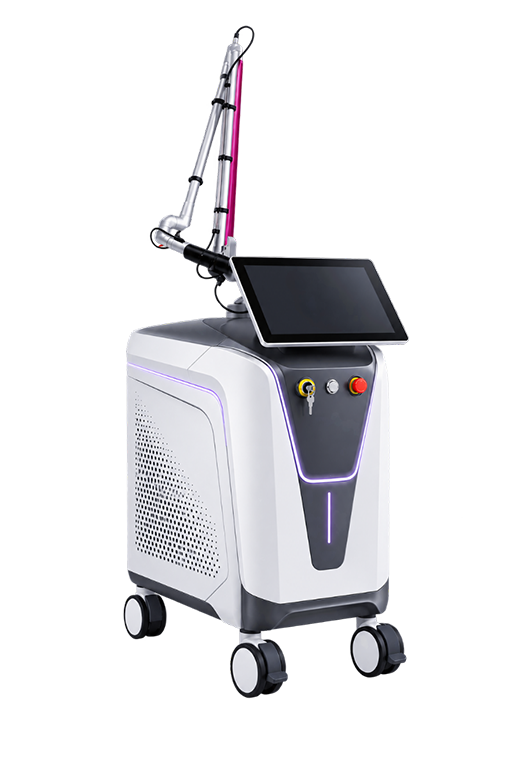
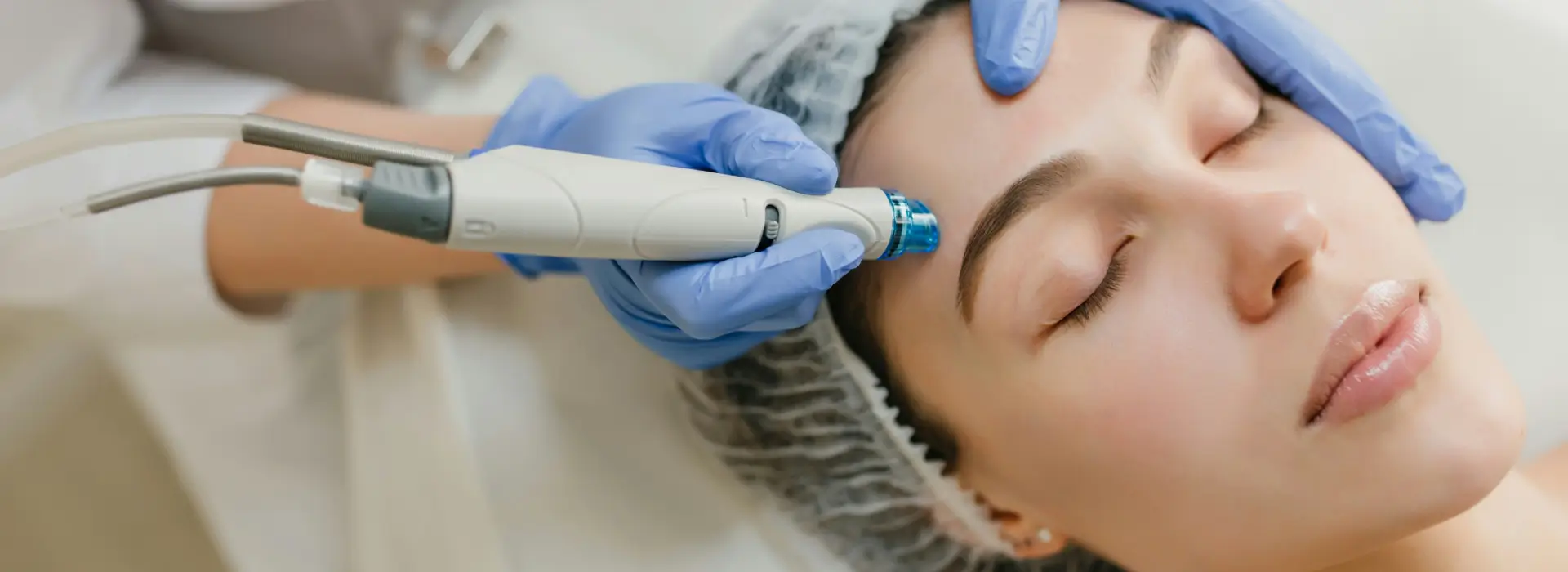
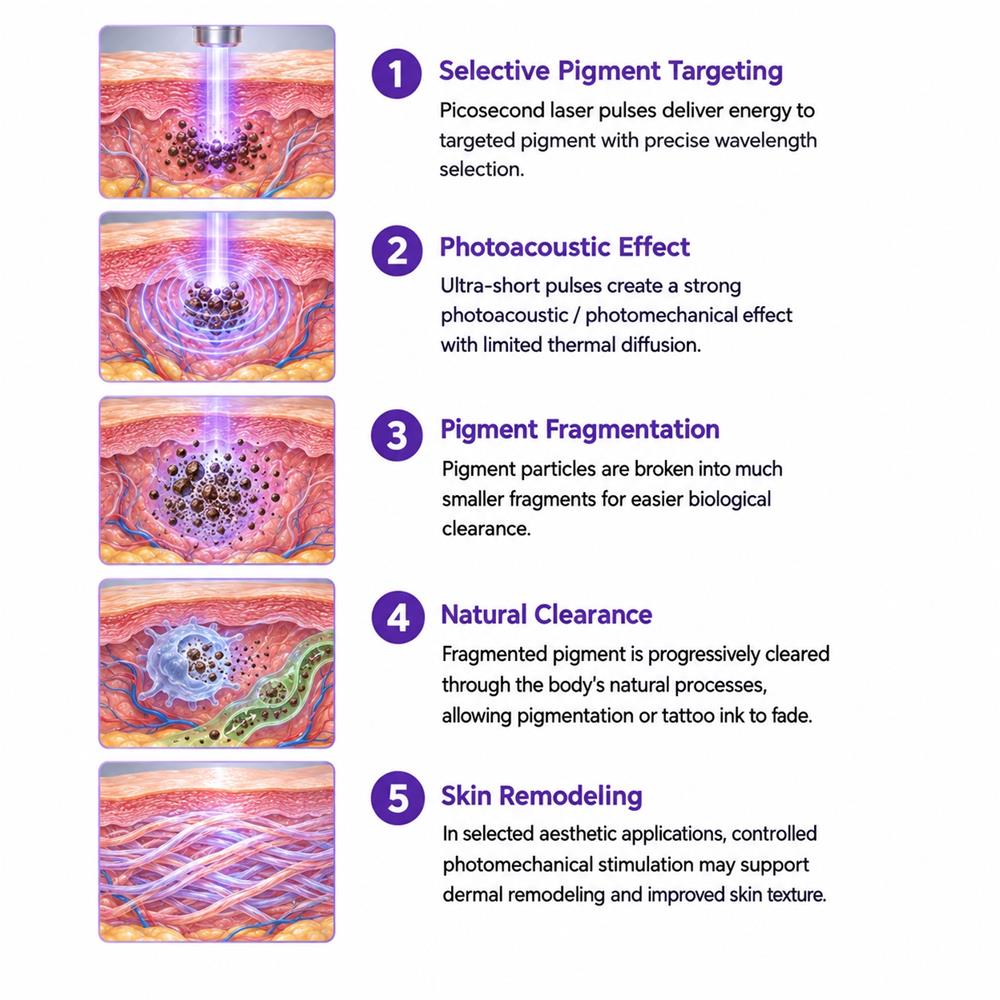
Picosecond Laser Systems deliver ultra-short laser pulses in the picosecond range, rapidly delivering energy to targeted pigments in the skin. The interaction between the laser and pigment particles primarily produces photoacoustic and photomechanical effects, breaking the pigment into smaller particles that are gradually cleared by the body’s natural metabolic processes. Compared with traditional nanosecond lasers, picosecond lasers have shorter pulse durations, which can help reduce thermal diffusion into surrounding tissues. By selecting appropriate wavelengths and treatment parameters, these systems can be used for tattoo removal and the improvement of pigmented skin concerns.


Treatment

Five Major Advantages of Picosecond Laser
Applications
Three treatment modes : SP, LP, PTP, perfect for all complicated types of pigmentation.
- SP mode:100-1000mj(1064nm),50-500mj(532nm)
- PTP mode:200-2000mj(1064nm),100-1000mj(532nm)
- LP mode:500-5000mj(1064nm)
SP(Single pulse)
A single pulse with energy and adjustable spot for those astonger treatment is needed.
Remove all kinds of tattoos, like eyebrow tattoo, eye line, lip liner, eyelid tattoo, etc….
PTP(Double pulse):
Dual pulse system is less aggressive than with single pulse and with fewer side effects and good results.Remove freckles, superficial and deper speckles, age pigments, nithmarks, etc…
Treat skin lesion of the blood vessel, hemangioma, red blood streak, etc….
LP(Long pulse)
300ms pulse for anti-wrinkle and skin rejuvenation.Oure acne and pores missing, etc….
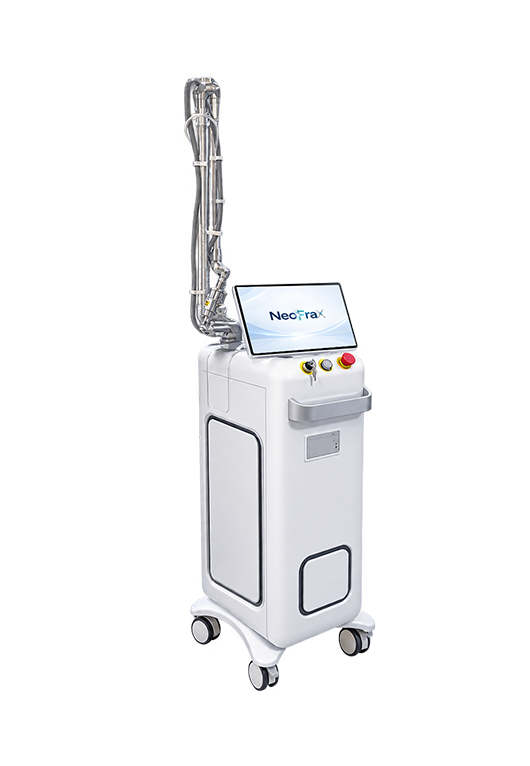
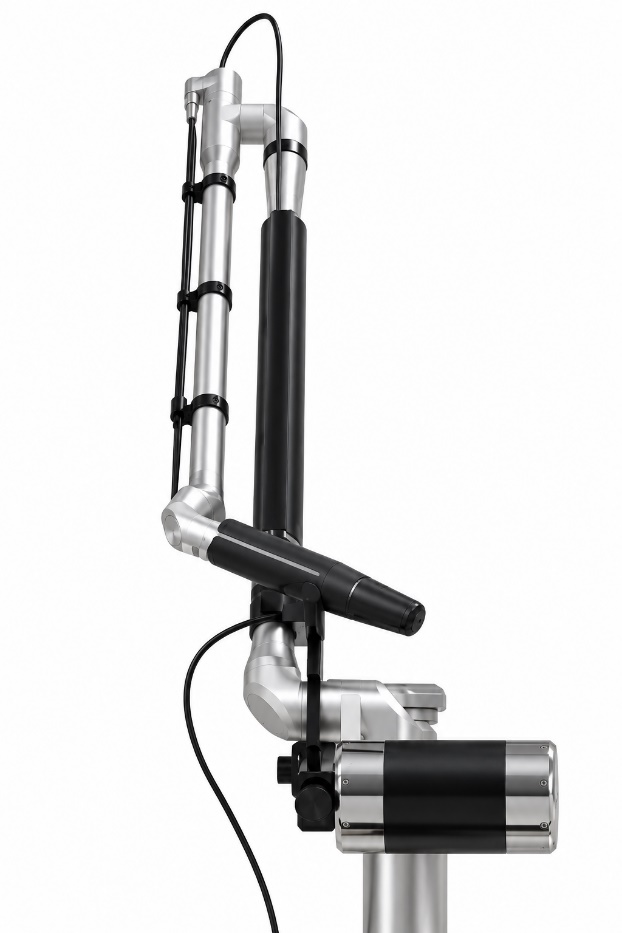
7-Joint Articulated Laser Arm
Product Parameters
| Model | DL300 | Technology | Picosecond laser |
| Screen | 12.4 inch color touch screen | Input voltage | AC 110V/220V 50-60Hz |
| Wavelength | 1064/532nm | Beam profile | Flat-top mode |
| Optical delivery | Articulated arm | Energy calibration | External & self-resoration |
| Operate mode | Q-switched mode & SPT mode | Pulse width | 450-500ps,750ps-800ps |
| Spot size | 2-10mm | Reprtition rate | Max.10Hz |
| Aiming beam | Diode 655nm(Red),brightness adjustable | Cooling system | Advanced Air & Water cooling system & semiconductor cooling |
| Pulse energy1064nm | 100-500mj,700mj | Pulse energy531nm | 50-250mj,350mj |
| Machine size | 76*41*176cm | G.W | 90KG |
FAQ
Picosecond lasers deliver shorter pulses than nanosecond lasers. This can enhance photomechanical effects and may improve the clearance of certain tattoo pigments. Actual performance depends on wavelength, pulse duration, energy settings, and treatment protocols.
Tattoo ink responds differently depending on its color and composition.
- 1064 nm is typically used for blue, brown, gray, and black tattoo pigments.
- 532 nm is typically used for red, tan, orange, and purple tattoo pigments.
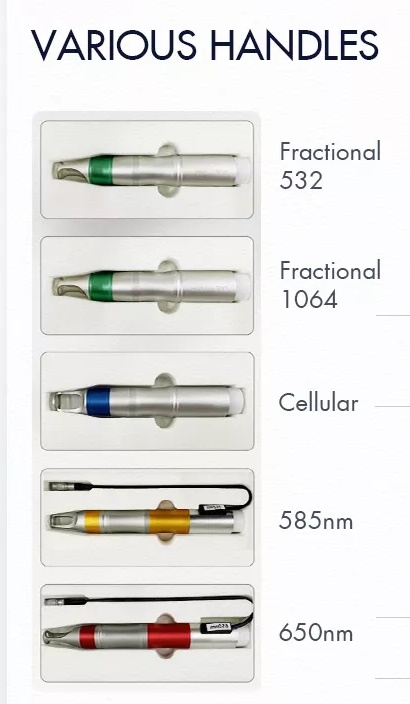
- 585 nm (optional) is typically used for light blue tattoo pigments.
- 650 nm (optional) is typically used for green tattoo pigments.
The fractional handpiece modifies the distribution of laser energy to support skin renewal and collagen remodeling, helping improve skin texture, enlarged pores, fine lines, and the appearance of acne scars.
HUAMEI TECHNOLOGY can discuss OEM/ODM opportunities, including private labeling and selected configuration options. Customization feasibility, minimum order quantities, lead times, and available options are confirmed during project evaluation.